
The Importance of Dancing for Children with Special Needs
The Importance of Dancing for Children with Special Needs
Introduction:
Dance is a universal language that speaks to the heart and soul, transcending barriers and bringing people together. For children with special needs, dance offers more than just a way to move—it provides a powerful avenue for physical, cognitive, and emotional growth. Whether it’s the joy of spinning to a favorite song or the challenge of learning a new routine, dance can play a crucial role in the development of children with special needs, offering them a space to thrive, express themselves, and feel included.
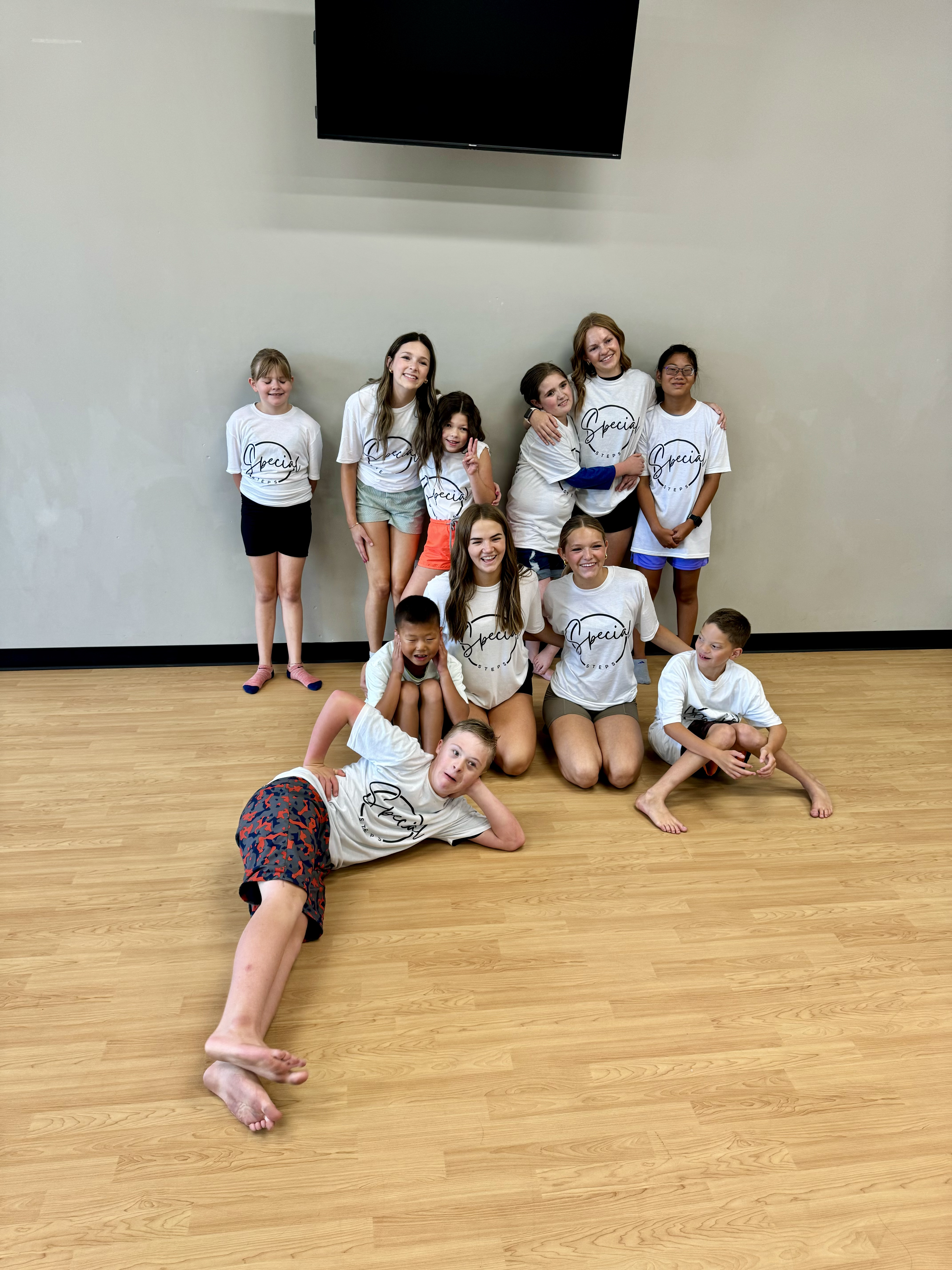
Physical Benefits: Dance is an excellent way to improve motor skills, coordination, and overall physical fitness. For children with special needs, these activities can help enhance balance, flexibility, and strength in a fun and engaging way. Many children may face physical challenges that make traditional sports difficult, but dance offers a low-impact, adaptable way to build these skills. Whether it’s through ballet, hip-hop, or even simple movement exercises, dance helps children with special needs develop body awareness and control, supporting their physical development.
Cognitive and Emotional Benefits: Dance is also a powerful tool for cognitive growth. Learning choreography requires memory, focus, and sequencing, which can boost cognitive function in children with special needs. Additionally, dance provides a safe space for emotional expression. For many children who may struggle to communicate verbally, movement becomes a form of expression, allowing them to convey emotions and experiences they might not otherwise be able to share.
Emotionally, dance helps build confidence and self-esteem. Mastering a new move or completing a performance in front of an audience can be incredibly empowering. This sense of accomplishment and the positive reinforcement from peers and instructors can help children develop a strong sense of self-worth and pride.
Social Benefits: One of the most significant benefits of dance is the opportunity for social interaction. Dance classes encourage teamwork, cooperation, and communication, all essential social skills. For children with special needs, these settings provide a chance to make friends and learn how to work with others in a group. Being part of a dance class fosters a sense of community and belonging, helping children feel included and valued.
The social aspect of dance can be particularly impactful for children who might struggle with traditional social interactions. Through dance, they can connect with others in a non-verbal, supportive environment, building friendships and learning important life skills.
Inclusion and Acceptance: Dance is more than just an activity—it’s a tool for inclusion. Inclusive dance programs welcome children of all abilities, teaching them that everyone, regardless of their differences, has something valuable to contribute. This sense of inclusion helps children with special needs feel accepted and understood, promoting a culture of diversity and respect.
Teaching children the value of diversity and acceptance through dance can have long-lasting effects. When children learn to appreciate and celebrate differences in a dance setting, these lessons extend into their everyday lives, fostering a more inclusive and compassionate society.
How to Get Started: For parents and educators interested in introducing dance to children with special needs, finding the right program is key. Look for inclusive dance classes that cater to all abilities and have instructors trained in adaptive techniques. It’s also important to communicate with instructors about your child’s specific needs to ensure they receive the appropriate support.
Encouraging children to explore different styles of dance can help them find what they enjoy most. Whether it’s a formal class or simply dancing around the living room, the important thing is to create an environment where children feel safe, supported, and free to express themselves.
Conclusion: Dance offers a multitude of benefits for children with special needs, from physical and cognitive development to emotional expression and social interaction. By embracing dance, we can provide these children with an opportunity to grow, learn, and most importantly, feel included in a world where they belong. Whether you’re a parent, educator, or simply someone who cares about inclusion, consider the transformative power of dance—it might just be the perfect way to help a child thrive.
